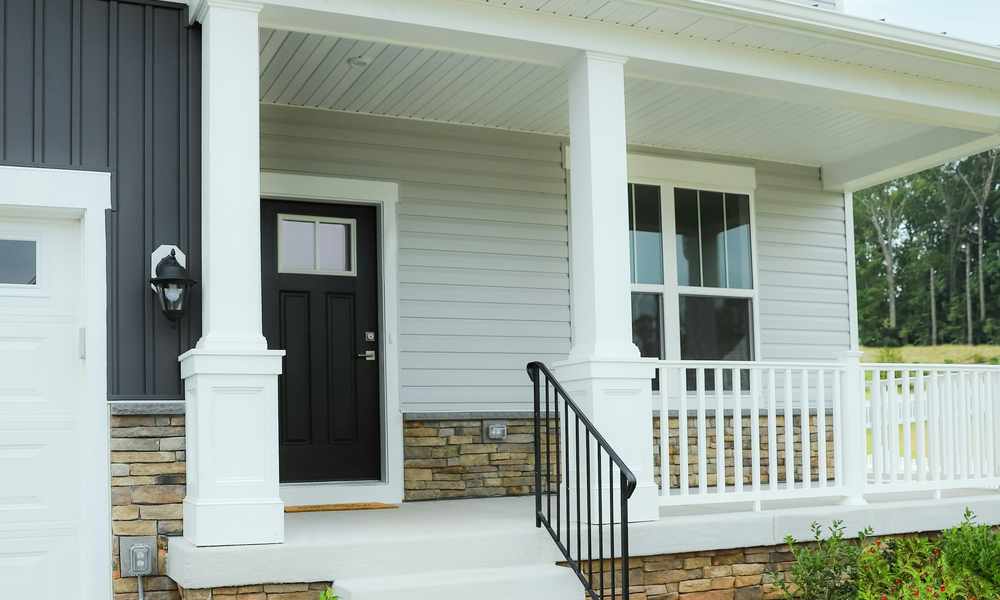
Fiber cement siding is a composite of Portland cement, sand, and cellulose fibers, pressed and cured into boards or panels that mimic the look of wood, stucco, or masonry. It's one of the three materials Victoria Siding Pros installs for Victoria, TX homeowners — this page covers the material itself; see our fiber cement siding service page for installation and pricing specific to your project.
What to Know
- Composite of cement, sand, and cellulose fibers
- Available in lap, panel, and shingle profiles
- Factory-finished or field-painted
- Fire- and pest-resistant by nature of its composition
- Denser and heavier than vinyl or wood
How Fiber Cement Is Made
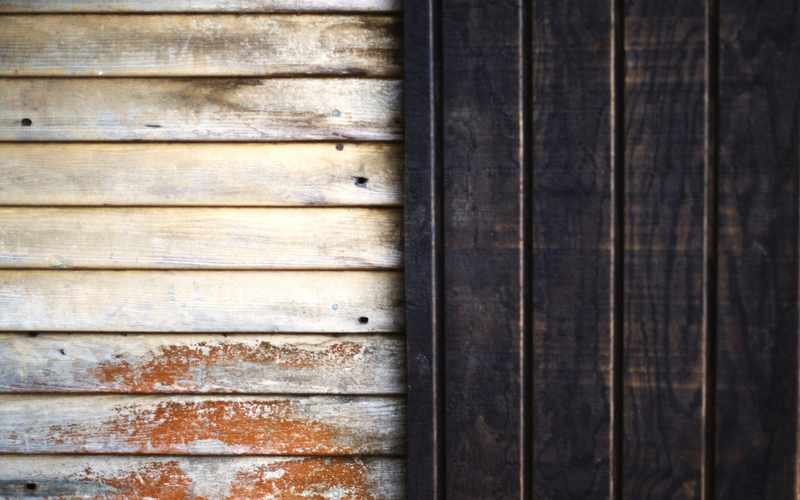
Manufacturers mix Portland cement, ground sand, and cellulose fiber into a slurry, form it into boards or panels, then cure it under heat and pressure (or steam, in an autoclave process some manufacturers use) until it hardens into a rigid, stable material. The cellulose fiber reinforces the cement matrix, which is what keeps the finished board from being as brittle as a plain concrete panel would be. The result is dense and paintable, with a texture that's embossed at the factory to resemble wood grain, stucco, or a smooth finish, depending on the profile.
How It's Typically Installed
Fiber cement goes up over a weather-resistant barrier, with flashing installed first at every window, door, and penetration so water is directed out and away from the wall assembly rather than trapped behind the siding. Because the material is dense, it's cut with a shear or a dust-collecting saw rather than a standard blade, and fasteners are driven at the pattern and depth the manufacturer specifies so boards aren't split or overdriven. Joints are caulked with a flexible, paintable exterior sealant once the boards are up.
Maintenance and Durability Characteristics
Fiber cement generally holds paint far longer than wood, doesn't feed pests, and resists fire better than most siding materials by nature of its cement content. It's genuinely low-maintenance, though not zero-maintenance: caulked joints are worth a visual check once or twice a year, and field-painted boards will eventually need a repaint, just on a much longer cycle than wood. It doesn't expand and contract with temperature the way vinyl does, which keeps seams and reveals looking straight over time.
Pros and Cons
- Pro: holds paint color for years, resists fire and pests
- Pro: doesn't warp, rot, or soften in sustained heat
- Con: higher material and labor cost than vinyl
- Con: heavier, so installation takes more time and care
- Con: cutting produces fine dust that needs to be controlled on site
Fiber Cement Questions, Answered
Is fiber cement the same as "cement board"?
Can fiber cement be installed over existing siding?
Related Resources
- Fiber cement siding service in Victoria, TX
- How fiber cement installation works
- Fiber cement repair
- Compare with vinyl siding