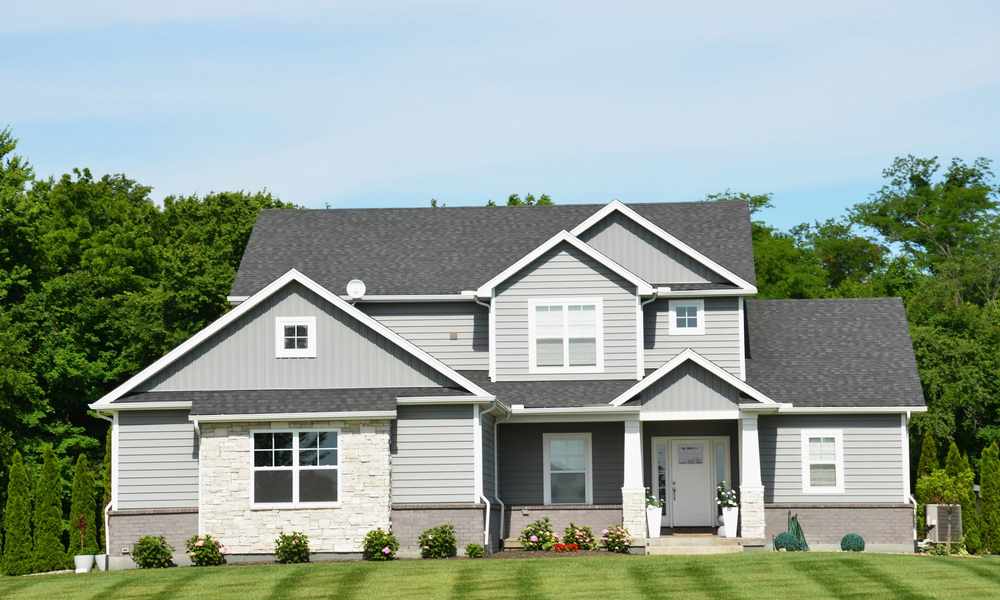
Vinyl siding is a PVC (polyvinyl chloride) plastic product, extruded into interlocking panels that hang on a home's exterior without ever needing to be painted. It's one of the three materials Victoria Siding Pros installs for Victoria, TX homeowners — this page covers the material itself; see our vinyl siding service page for installation and pricing specific to your project.
What to Know
- PVC plastic, extruded into interlocking panels
- Never needs painting
- Wide range of colors and profiles
- Insulated (foam-backed) options available
- Expands and contracts more than fiber cement
How Vinyl Siding Is Made
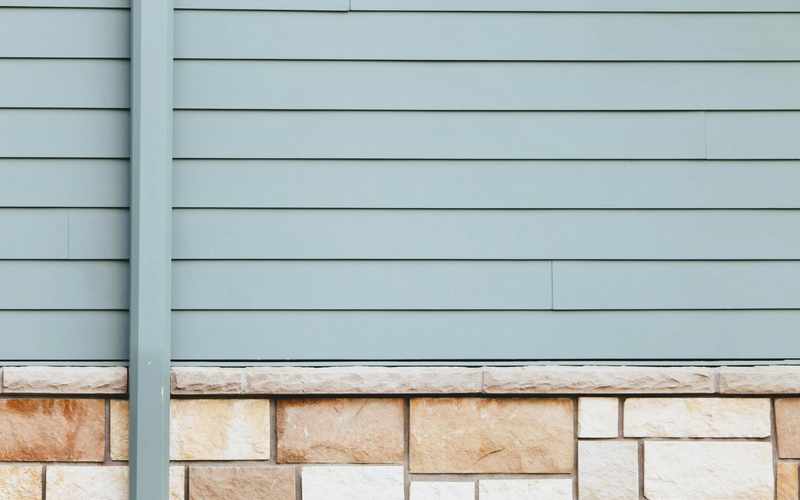
Vinyl siding starts as PVC resin, which is melted and extruded through a die into long panel profiles, then cut to length and packaged. Color is mixed into the resin itself rather than applied as a surface coating, which is why quality vinyl doesn't need repainting — the color runs through the material, not just the surface. Panel profiles vary: double-4 and double-5 clapboard are the most common, with dutch lap and vertical board-and-batten as style options.
How It's Typically Installed
Vinyl hangs on a starter strip at the bottom of the wall and interlocks panel over panel going up, with J-channel trimming out windows, doors, and corners. Because vinyl expands and contracts with temperature more than fiber cement does, panels are nailed with the fastener centered in its slot and left slightly loose rather than cinched down tight, so the material can move with heat without buckling or cracking. A weather-resistant barrier goes underneath first, since vinyl sheds bulk water but isn't a sealed waterproofing layer at its seams the way stucco or caulked fiber cement is.
Maintenance and Durability Characteristics
Vinyl's main maintenance advantage is that it never needs painting — an occasional rinse with a garden hose keeps it looking clean. Grade matters more than color for how it performs over time: lower-grade, thin-gauge vinyl can soften, warp, or fade faster under sustained direct sun, while thicker, quality-grade vinyl holds its shape and color much longer. Insulated vinyl, which adds a foam backing bonded to the panel, stiffens the material and improves the wall's R-value.
Pros and Cons
- Pro: lowest upfront material cost of the common siding options
- Pro: never needs painting, doesn't rot or feed mold
- Pro: fast to install compared to fiber cement or stucco
- Con: lower-grade product can soften or warp in sustained heat
- Con: doesn't hold up to impact quite like denser materials