Serving Victoria, TX & nearby Mon–Sat 7am–7pm
Licensed & Insured · Free Estimates

Fiber Cement Siding in Victoria, TX

Durable, fire-resistant siding for Texas heat.

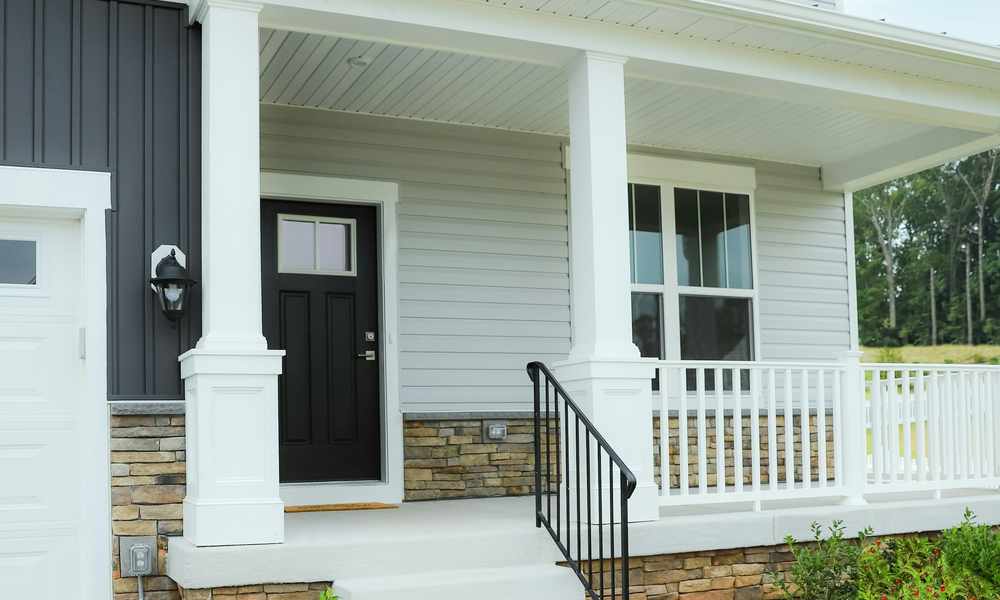
Two-story home exterior with light gray horizontal siding, dark vertical accent siding, and a covered front porch

Fiber cement is the gold standard for siding in the Victoria, TX climate — it delivers the rich look of real wood but resists the sun, moisture, fire, and pests that destroy lesser materials. Victoria Siding Pros is an experienced fiber cement installer, giving your home a beautiful, durable exterior that holds up for decades.

What’s Included

  • Fire- and pest-resistant
  • Holds paint far longer than wood
  • Won't rot, warp, or crack easily
  • Wood-look without the maintenance
  • Long manufacturer warranties (varies by manufacturer)
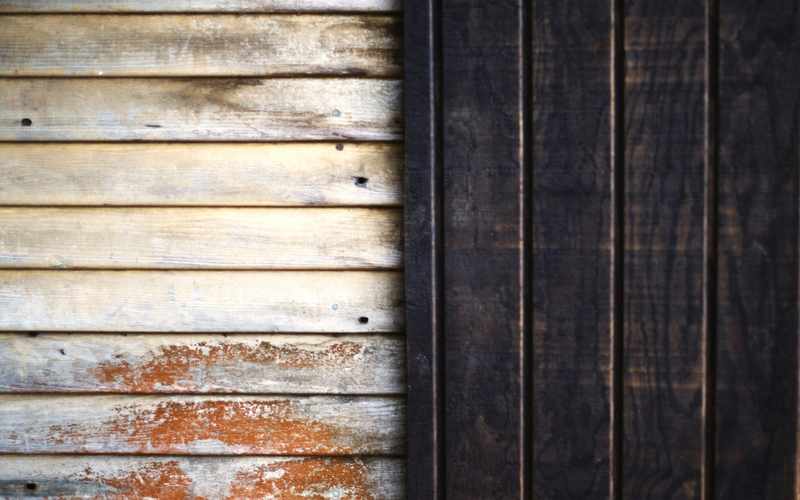
Close-up of horizontal siding panel joints and texture

Reference photo showing materials and finishes we work with.

Why Fiber Cement Wins in Texas

Our intense sun and heat are brutal on siding. Fiber cement doesn't warp, rot, or feed termites, it's highly fire-resistant, and it holds paint dramatically longer than wood — so you repaint far less often. It comes in lap, panel, and shingle profiles and a huge range of colors and textures, so you can match nearly any home style.

Installed correctly, with proper flashing and sealing, it's one of the best long-term investments you can make in your home's protection and value. Because it's cement-based rather than wood or plastic, it also doesn't expand and contract with heat the way vinyl can, which keeps seams and reveals looking straight over time.

  • Lap, panel, and shingle-style profiles
  • Factory or field finishes in many colors
  • Proper flashing and moisture management
  • Decades-long product warranties (varies by manufacturer)

Signs Your Fiber Cement Siding Needs Attention

Fiber cement is built to last, but no siding is maintenance-free forever. A few warning signs are worth a call before a small repair turns into a bigger one:

Cracked, chipped, or warped boards

Soft spots you can press a screwdriver into

Mold, fungus, or peeling paint on the surface

Cracked or missing caulk at seams and trim

Rising energy bills that point to a failing barrier behind the siding

A field-finished board that's due for its next repaint

Fiber Cement vs. Vinyl: Which Fits Your Home

Fiber Cement

Costs more upfront and takes more labor to install correctly, but holds paint far longer, resists fire and pests, and doesn't soften or warp in direct summer sun the way lower-grade vinyl can. For a home meant to last decades, that trade-off usually pays for itself.

Vinyl

Costs less upfront and installs faster, which matters if you want your home closed back up quickly after storm damage or a fast refresh. Quality-grade vinyl performs well in this climate, though it can't match fiber cement's fire resistance or long-term paint life.

How Fiber Cement Installation Works

Most siding failures — on either material — trace back to bad flashing or a missing moisture barrier, not the material itself. Here's what a correct fiber cement install actually involves:

A weather-resistant barrier goes up first, with every seam and penetration flashed before a single board is hung

Fiber cement is heavier and denser than vinyl, so it's scored-and-snapped or cut with a shear or dust-collecting saw rather than a standard blade

Fasteners are driven at the manufacturer's specified pattern and depth so boards aren't overdriven or split

Factory-primed boards arrive with color already baked on; field-finished boards are primed and painted on site after installation

Every joint gets caulked with a paintable, flexible sealant rated for exterior use

What Affects the Cost of Fiber Cement Siding

Every fiber cement quote is different because every home is different. The main factors:

Your home's size and how much surface area needs new siding

Which profile you choose — lap, panel, or shingle-style

Factory-finished boards versus field-finished boards that need painting after installation

Whether repairs are needed to the sheathing or moisture barrier underneath before new boards go up

Color and texture customization

Caring for Fiber Cement Siding

Fiber cement is genuinely low-maintenance, but "low" isn't "none." Caulked joints and trim seams are worth a visual check once or twice a year and re-caulking if they crack or pull away. Factory-finished boards hold color for a long time; field-painted boards will eventually need a fresh coat, on a longer cycle than wood. Keep mulch, soil, and dense plantings from piled up against the bottom edge — constant ground contact is one of the few things that can cause problems, since it keeps that edge wet.

A gentle rinse with a garden hose (not a pressure washer aimed directly at the seams) keeps it looking new. If you notice a cracked board, a gap at a seam, or a spot that looks different from the rest, that's worth a call before it turns into a bigger repair.

Fiber Cement Siding Questions, Answered

Which siding is best for the Texas climate?
Fiber cement is our top recommendation for Victoria, TX homes — it resists heat, moisture, fire, and pests, and holds paint far longer than wood.
What are the downsides of fiber cement siding?
It costs more upfront than vinyl, it's heavier so installation takes more labor and care, and it needs to be cut and handled correctly to control dust during installation.
Fiber cement vs. vinyl: which holds up better in Texas heat and humidity?
Fiber cement generally holds up longer under sustained Texas sun and humidity — it won't soften or warp the way lower-grade vinyl can, and it holds paint much longer. Quality-grade vinyl performs reasonably well too and costs less upfront.
Do you offer a warranty on fiber cement siding installation?
Yes — our installation work is backed by a written workmanship warranty. Fiber cement panels themselves typically carry a separate, long manufacturer product warranty on the material; we'll go over the specific coverage for the product you choose during your free estimate.
What happens during a free fiber cement estimate?
We walk your home's exterior with you, measure the areas that need new siding, and check the condition of the sheathing and moisture barrier underneath wherever it's accessible. You'll leave with a free, itemized written estimate — no pressure, no hidden fees.

Related Resources

Take this quick quiz to determine which siding material fits your home

Weighing fiber cement against the other materials we install? Three quick questions, then a straight answer about where we'd start the conversation for a Victoria, TX home. Nothing here is a verdict — the free on-site estimate is what decides it.

What matters most to you in new siding?
What's on the house right now?
Where is the project at?
Based on your answers

Durability points toward fiber cement first

Fiber cement holds up to the Victoria, TX sun, moisture, fire, and pests better than most materials, and it holds paint well. Stucco is also worth a look if you like a seamless masonry finish. Either way, how it's installed — flashing and the moisture barrier underneath — matters as much as the material.

Low upkeep points toward vinyl or fiber cement

Vinyl never needs painting, and fiber cement holds paint for years between coats — they keep upkeep low in different ways. Which one fits depends on the house and the look you want, which is exactly what the on-site visit is for.

Upfront cost points toward vinyl first

Vinyl is where most upfront-cost comparisons start: the lowest material cost and the fastest installation of the three we install. Grade matters more than color for how it holds up, so we'll talk through that rather than just the sample chip.

It depends on the look you're after

Fiber cement comes in lap, panel, and shingle profiles; vinyl in clapboard, dutch lap, and board-and-batten; stucco gives a seamless finish with no panel joints at all. Tell us the look and we'll bring the options that actually deliver it to the estimate.

Something else is driving it — tell us what

If it's a mix of these, or something we didn't list, put it in the notes below and we'll start the conversation there. Any of the three materials we install can be the right answer depending on the house — the free on-site estimate is what decides it.

  • Older wood or lap siding is worth checking for rot and moisture behind it before anything new goes on — that's where most siding failures we see actually start.
  • If the existing vinyl is warping, buckling, or loose, it's worth finding out whether that's the panels or what's behind them before choosing a replacement.
  • Existing stucco can often be repaired in sections rather than redone wall by wall, so a repair is worth weighing against a full re-clad.
  • We'll identify what's on the house, and what condition it's in, during the free on-site estimate.
  • Whatever's on the house now, we'll identify it and check its condition during the free on-site estimate — if you know what it is, mention it in the notes below.
  • No pressure either way — the material pages on this site cover how each one is installed and holds up, and we're happy to answer questions before you're ready for a quote.
  • Our quotes are itemized and in writing, so you can compare them line by line with anyone else's.
  • Damage is worth looking at before material choice — the fix has to start with the cause, usually water getting behind the cladding.
  • Send your details below and we'll get right back to you to set up the on-site visit.
  • Wherever you're at with it, there's no pressure — tell us in the notes below and we'll pick up from there.

Get your free on-site estimate

Send your details and we'll follow up with a free, no-pressure on-site estimate for your Victoria, TX home. Your answers above come with it, so we can pick up where this left off.

Fields marked are required.

Prefer to talk now? Call (361) 310-1492.

Ready to transform your Victoria, TX home's exterior?

Call now or request a free quote — fast, no-pressure quotes.