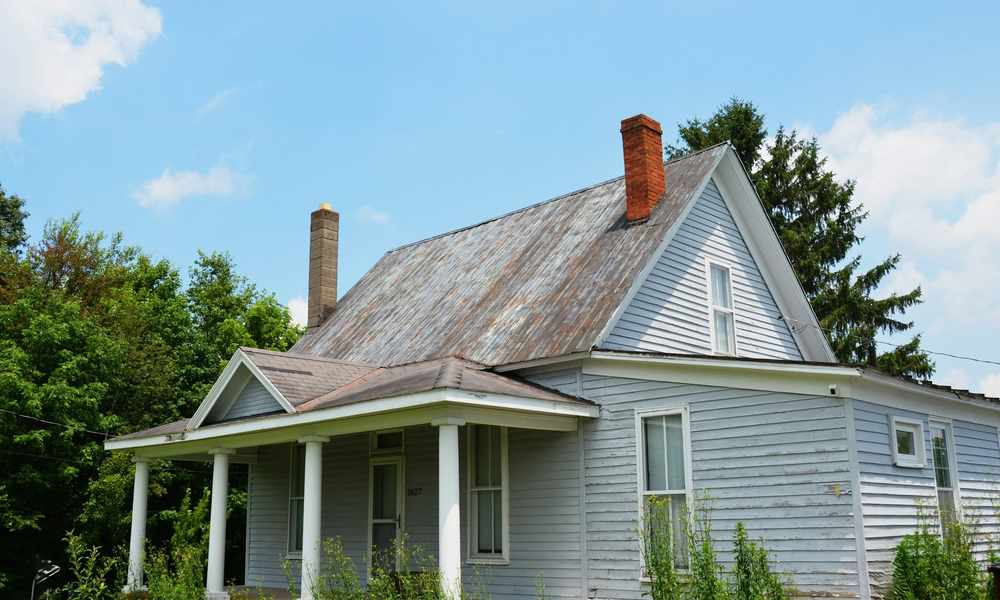
Damaged siding isn't just an eyesore — cracked, loose, or rotted siding lets water into your walls, where it causes far more expensive problems. Victoria Siding Pros repairs and restores siding and stucco across Victoria, TX, including storm and hail damage, and we'll help you navigate an insurance claim if you have one.
What’s Included
- Storm and hail damage repair
- Rotted and cracked board replacement
- Color and profile matching
- Insurance claim assistance
- Stop water intrusion fast

Stop the Damage Before It Spreads
Water intrusion behind siding leads to rot, mold, and structural damage that costs many times more than the original repair. We find and fix the source, replace damaged boards or sections, and match the color and profile so the repair blends in. After a storm, we document the damage clearly to support your insurance claim.
Signs You Have Storm or Water Damage
A slow walk around your home's exterior in daylight covers most of what matters:
Small dents or cracks on vinyl, or dinged vents, flashing, and gutters — signs of hail
Panels lifted, torn, or loose starting at an edge or corner
Trim visibly out of alignment or missing sections after high wind
Staining or discoloration around window and door trim — often the only visible sign of wind-driven rain
Exposed or popped fasteners
Anything that looks different from before a storm, even if the cause isn't obvious
Common Types of Storm Damage We See
Hail
Shows up as small dents or cracks, most visible on vinyl siding and on soft metal trim, vents, and flashing. Even hail too small to crack a panel outright can bruise it in a way that shortens its life.
High Wind
Tends to lift or tear panels loose starting at an edge or corner where the fastening is weakest, and can drive rain sideways into gaps around windows and trim that would normally shed a regular rain fine.
Debris Impact
Tree limbs, roofing material, or anything airborne in a storm cause more localized damage — cracked or punctured panels, dented trim, and torn house wrap where the siding above it failed.
Filing a Storm-Damage Insurance Claim
We document damage clearly to support whatever you decide to file. Here's how the process generally goes:
Photograph the visible damage as soon as it's safe to do so
Contact your insurer to open a claim before starting any repairs — most want to inspect the damage first
When you talk to the adjuster, stick to what you actually observed and avoid guessing at causes
Ask questions and request time to review the proposed scope of repair before signing off
Get a second opinion if something about the assessment doesn't sit right
What Affects Repair Cost
Repair cost depends on the extent of the damage more than anything else:
Whether damage is isolated to a few panels or spread across multiple elevations
Whether the existing material or color is discontinued and can't be matched
How worn the siding already was before the storm hit it
Whether an insurance claim is involved and what it covers
Any rot or water intrusion found once the damaged section is opened up
Repair or Full Re-Side?
Isolated damage on a small area — a handful of panels, one section of trim — is usually a straightforward repair with color and profile matched to the rest of the house. It gets harder to justify a clean repair when damage is spread across multiple elevations, when the existing material or color is discontinued and can't be matched, or when the siding was already older and worn before the storm hit it.
We'll give you an honest read on which side of that line your home falls on, and we'll document our findings clearly either way so you have something solid to bring to your insurer.