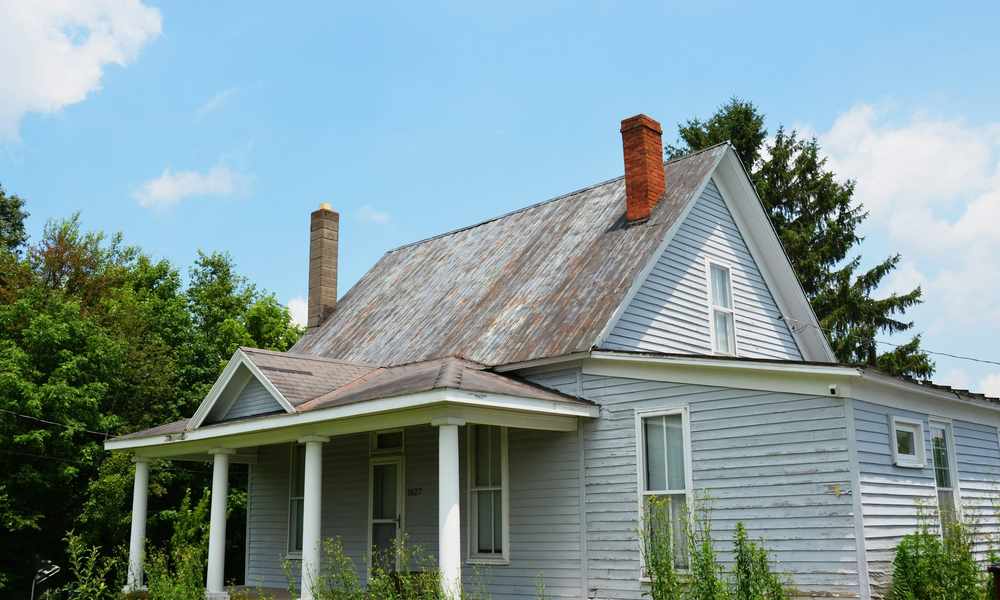
High wind stresses siding differently than hail does — it pulls at edges and drives rain into gaps rather than denting the surface. Victoria Siding Pros inspects and repairs wind-damaged siding for Victoria, TX homeowners. This page focuses on wind specifically; see our full siding repair & storm damage page for the broader picture.
What's Included
- Inspection for lifted, torn, or loose panels
- Repair of wind-driven water intrusion points
- Debris-impact damage repair
- Clear documentation for your insurance claim
What Wind Damage to Siding Looks Like
High wind tends to lift or tear panels loose starting at an edge or corner where the fastening is weakest — that's often where a poorly-nailed or improperly-installed panel fails first. Wind can also drive rain sideways into gaps around windows, trim, and flashing that would normally shed water fine in a regular rain, which is why wind events sometimes cause water intrusion without any siding appearing visibly torn or missing.
Where to Look After High Wind
Check corners and edges first, where wind stress concentrates and fastening is most likely to fail. Look for panels that have separated slightly from the wall, even if nothing has actually blown off — that's often the early sign before a full failure. Debris impact during high wind (tree limbs, roofing material, anything airborne) causes more localized damage: cracked or punctured panels, dented trim, and torn house wrap where the siding above it failed.
- Panels lifted, torn, or separated at an edge or corner
- Wind-driven rain intrusion around windows, trim, and flashing
- Debris impact damage — cracked panels, dented trim
- Torn or exposed house wrap beneath failed siding
Can Wind-Damaged Siding Cause Water Intrusion?
Yes — a panel that's been lifted or partially torn loose no longer sheds water the way it's designed to, even if it looks mostly intact from the ground. That's why we recommend having wind damage inspected even when it doesn't look severe; catching it early is far less expensive than dealing with the rot or interior damage that water intrusion eventually causes.