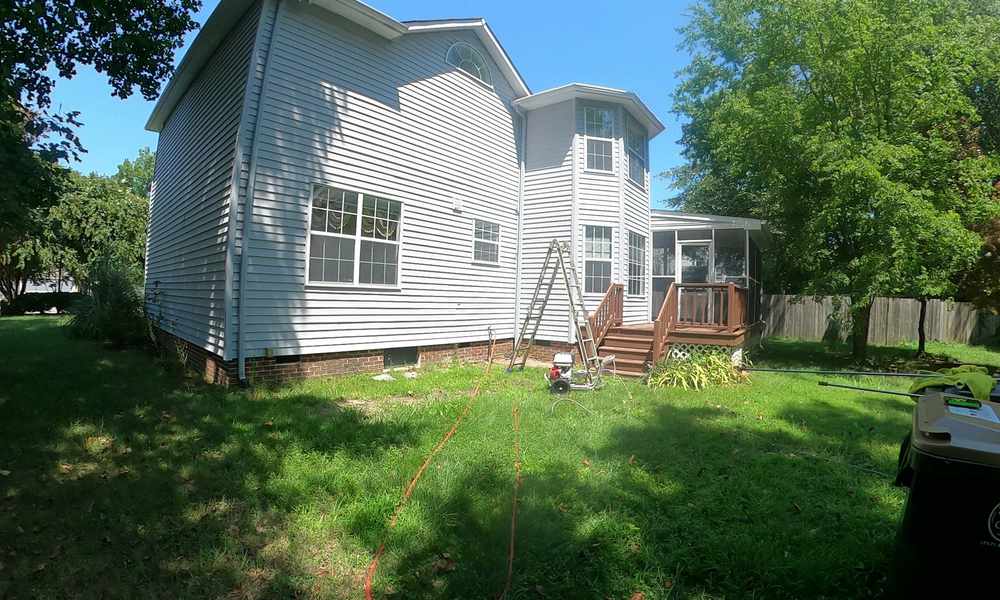
Engineered wood siding is a composite product made from wood strands or fibers bonded with resin and wax under heat and pressure, then coated with a factory-applied finish. It's a real option some homeowners research, so we've put together general information on how it's made, installed, and maintained — but Victoria Siding Pros does not currently install engineered wood siding. If you're comparing exterior materials for a Victoria, TX home, we install fiber cement, vinyl, and stucco.
What to Know
- Composite of wood strands/fibers bonded with resin under heat and pressure
- Factory-primed or factory-finished at the mill
- Lighter than fiber cement, heavier than vinyl
- Requires careful sealing of cut edges during installation
- Not a material this contractor currently installs
How Engineered Wood Siding Is Made
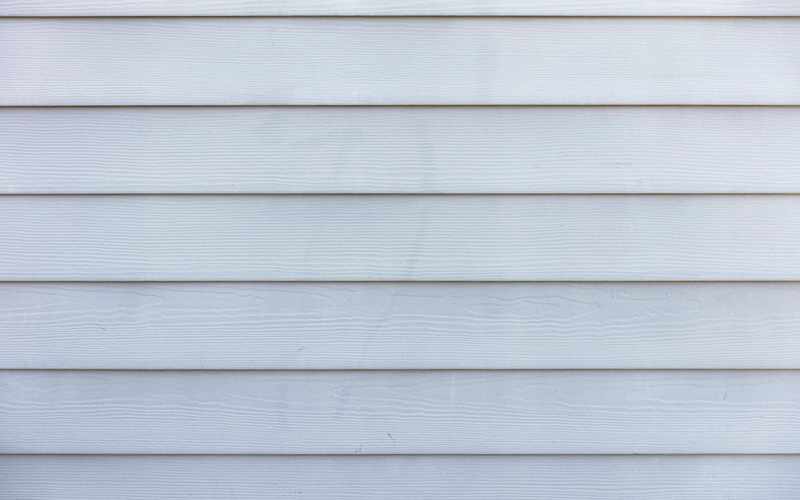
Manufacturers strand or shred wood fiber, then bind it with resin and wax under heat and pressure into panels or lap boards, similar in concept to how oriented strand board (OSB) is made for structural sheathing, but engineered specifically as a finished exterior product with a factory coating. The result looks closer to real wood grain than fiber cement typically does, at a lighter weight than a cement-based product.
How It's Generally Installed
Like other lap and panel sidings, engineered wood goes over a weather-resistant barrier with flashing at windows, doors, and penetrations. Manufacturers typically specify that any field-cut edge be sealed with an approved sealant or edge coating before installation, since an unsealed cut edge is a common point where moisture can wick into the material if it's missed.
General Maintenance Characteristics
Factory-finished engineered wood generally holds its finish for a long stretch before needing attention, similar in concept to factory-finished fiber cement. As with any wood-based product, keeping soil, mulch, and dense plantings away from the bottom edge and making sure caulked joints stay intact are the main ongoing maintenance points homeowners are told to watch for.
Engineered Wood in a Hot, Humid Climate
Any wood-based product, including engineered wood, depends more on correct sealing and moisture management in a hot, humid climate like Victoria, TX's than a purely inorganic material like fiber cement or vinyl does. Manufacturers publish specific installation and clearance guidance for their engineered wood products for exactly this reason — an unsealed cut edge or a gap in the flashing matters more with a wood-fiber product than with a cement-based one. That's general context worth knowing if you're weighing engineered wood against the materials we do install.