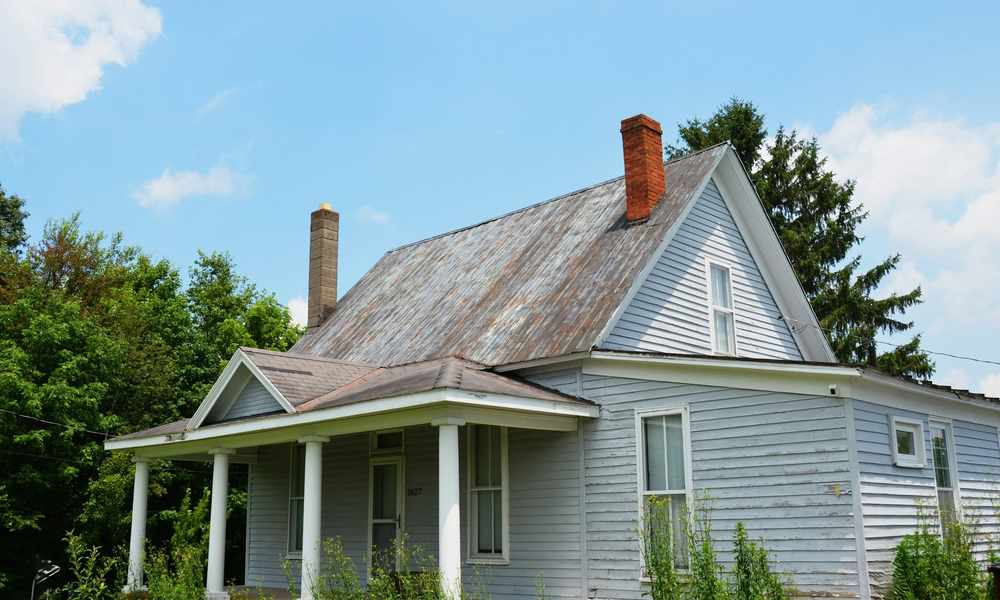
A single storm can bring hail, high wind, and wind-driven rain in one afternoon, and each damages siding differently. Here's how to tell which hit your home.
One Storm, Several Different Kinds of Damage
A single Gulf Coast storm system can bring hail, sustained high wind, and wind-driven rain all within the same hour — and each one leaves a different signature on siding, trim, and flashing. Knowing which one you're looking at isn't just academic: it changes where you should look for damage and how urgent a closer inspection is.
This is a diagnostic guide, not a walkthrough of how to file a claim — for that, see our separate guide on filing a storm-damage siding claim. Here, we're just covering what each type of storm damage actually looks like once the storm has passed, so you know what you're dealing with before you make any calls.
Hail: Small, Localized, Easy to Miss
Hail damage on siding itself is often subtler than people expect — a light dent or a small crack, sometimes little more than a bruise you'd only notice running a hand across the surface. It's usually easier to spot on soft metal first: dented vent covers, dinged flashing, or pockmarks on a mailbox or gutter give you a sense of how hard the hail hit before you go looking at the siding panels themselves.
Hail damage also tends to cluster on the elevation the storm approached from, so if one side of the house shows several marks, it's worth checking that same side more carefully rather than assuming the damage is spread evenly. Hail size and wind speed both affect the pattern — a storm with strong wind behind the hail can push marks higher up a wall or onto a normally sheltered surface that wouldn't otherwise take a direct hit.
- Small dents or cracks, sometimes cosmetic-looking at first glance
- Easiest to confirm on soft metal — vents, flashing, gutters
- Damage clusters on the side of the house the storm approached from
- A light tap test can reveal bruising that isn't visible from a normal distance
High Wind: Lifted, Torn, and Missing Pieces
Wind damage tends to start at an edge — a panel lifted or torn loose at a corner, along the bottom row, or wherever the fastening was weakest. Look for panels that flex or rattle when you press on them gently, trim pieces that are visibly out of alignment, and any section of siding or soffit that's simply missing after the storm. Debris carried by the wind adds a second layer of damage: cracked or punctured panels and dented trim where something struck the house directly.
Corners and the underside of soffit are worth a second look after a windstorm even when nothing looks obviously wrong from the ground — those are the spots where fasteners take the most stress, and a panel that's started to work loose there won't always show it from a distance the way a fully torn-off section does.
- Panels lifted, torn, or loose starting at an edge or corner
- Trim visibly out of alignment or missing sections
- Panels that flex or rattle under light pressure
- Impact marks from wind-driven debris — cracks, dents, punctures
Wind-Driven Rain: The Damage You Can't See From the Ground
Wind-driven rain is the trickiest of the three because it often leaves no visible mark on the siding panels themselves — it's driven sideways into gaps around windows, doors, and trim that would shed a normal rain without issue. The signs show up differently: staining or discoloration around window and door trim, paint that's starting to peel or bubble at a seam or bottom edge, or a musty smell near an exterior wall that wasn't there before.
Because this kind of damage develops behind the siding rather than on its surface, it's the type most likely to get missed in a quick visual check — and the type most worth a closer look if a storm brought sustained high wind alongside heavy rain. Inside the house, it can show up even more indirectly: a faint water stain near the top of an interior wall, or a slightly soft spot on drywall near a window, weeks after the storm that actually caused it.
Storm Damage vs. Ordinary Wear
It's worth separating this from general age-related wear, which is its own topic. Ordinary wear shows up gradually — fading, chalky color, boards that have slowly loosened over years — with no single event behind it. Storm damage shows up suddenly, tied to a specific date, and tends to be concentrated on the elevation the storm hit rather than distributed evenly across the whole house. If you're trying to figure out whether your siding is simply reaching the end of its useful life rather than dealing with a single storm event, that's a different question with a different answer.
The distinction matters most when a house has both at once — older siding that was already fading or loosening before a storm added new, sharper damage on top of it. Separating the two in your own notes, even roughly, makes it much easier to describe accurately later: "this section has looked worn for a while" versus "this crack wasn't there before last week's storm" are different observations, and keeping them distinct helps rather than hurts.
A Quick Walk-Around Checklist
Once it's safe to be outside, a slow walk around the full exterior covers most of what matters — you don't need special equipment, just a careful look at each elevation in daylight.
- Check soft metal first (vents, flashing, gutters) for hail dents
- Look along every corner and edge for lifted or loose panels
- Check trim and window/door casing for staining or discoloration
- Note anything that looks different from before the storm, even if you're not sure what caused it
When It's Worth a Closer Look
If you've got any combination of the signs above — dents on soft metal, a lifted panel, staining that wasn't there before a storm — it's worth having someone take a full pass over the house rather than guessing from what's visible at ground level. Some of the most consequential damage, especially from wind-driven rain, is the kind you'd never spot without checking, and it tends to get more expensive to fix the longer it sits undetected behind the siding.
Once you know what you're dealing with, our guide on filing a storm-damage insurance claim covers what to document and what to say (and not say) as you work through the process. Call (361) 310-1492 if you'd like us to take a look first.