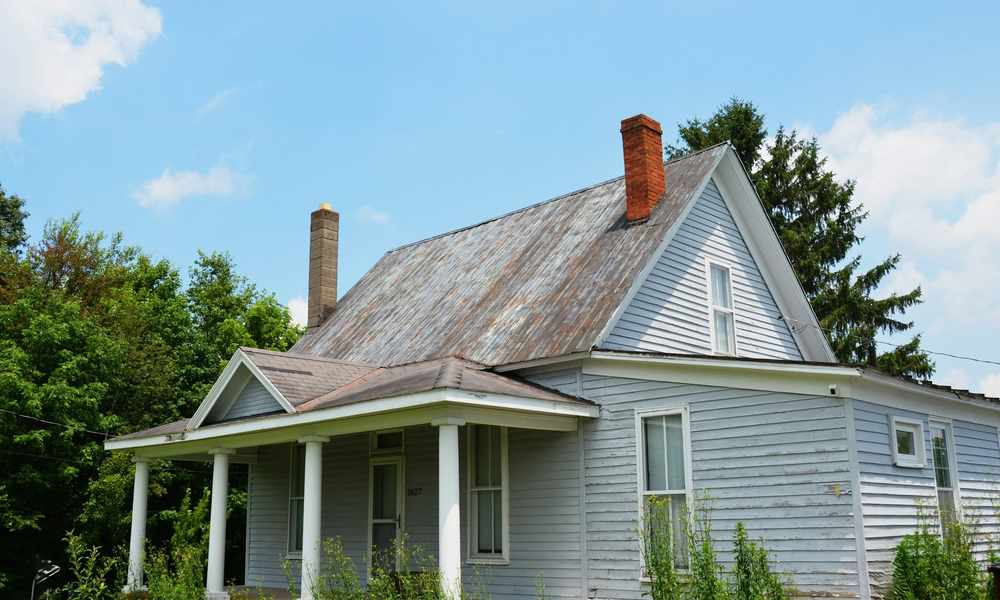
Storm damage puts homeowners into an insurance process they've never navigated. Here's what helps a claim go smoothly, and what to avoid saying.
Storm Damage Puts You Into an Unfamiliar Process
After hail or high wind moves through, you're usually dealing with two separate things at once: the damage itself, and an insurance claims process most homeowners have never had a reason to learn. Those are two different skills, and mixing them up is where a lot of the frustration comes from.
Nothing here is legal or insurance advice, and it isn't a substitute for your own policy's terms or your insurer's specific instructions — those always come first. What follows are patterns we've seen play out, again and again, working alongside homeowners across Victoria and the surrounding Crossroads region after a storm — including Port Lavaca and Refugio, both Texas Department of Insurance-designated First Tier windstorm counties where storm-damage claims are a regular part of the work.
Document the Damage Before You Do Anything Else
Once it's safe to be outside, photograph every elevation of the house, not just the side that looks worst — damage from wind and hail often isn't evenly distributed, and a full record protects you either way. Take wide shots that show the whole wall or roofline for context, then close-ups of the specific damage: cracked or dented panels, displaced trim, marks on vents and flashing.
Hold off on repairs beyond what's needed to stop active water intrusion — a tarp over an active leak or a board over an opening is reasonable; replacing damaged siding before your insurer has had a chance to see it can complicate a claim later. If you're not sure whether something counts as an emergency fix or a repair that should wait, that's a fair question to ask before you start.
It helps to keep a simple written log alongside the photos — a running note of when you noticed each item of damage, when you called your insurer, and when any inspection happened. It doesn't need to be formal. If a temporary fix like a tarp gets put up, note the date and take a photo of that too, since it's reasonable for an insurer to want to see what was done and when.
- Photograph every elevation, not just the obviously damaged side
- Wide shots for context, close-ups for detail
- Note roughly when the storm occurred
- Hold off on repairs beyond stopping active water intrusion
- Keep a simple dated log of what you noticed and when
Opening the Claim: What to Say
When you contact your insurer to open a claim, describe what you actually observed — cracked panels on the west side, dents on the vent covers, a section of trim that's missing — rather than a theory about what happened. Facts about what you can see hold up. Guesses about cause or timing, if they turn out to be wrong, can create confusion later that has nothing to do with whether the damage is real.
It's also fine to ask questions as you go: what the next step is, when to expect an inspection, and what documentation they want from you. You're not expected to already know how the process works.
What Not to Say to an Adjuster
The same rule applies during an in-person inspection: stick to what you observed, and don't fill in gaps with guesses. If you're not sure whether a mark is from this storm or something older, say that honestly rather than picking an answer. You're also not required to agree to a proposed scope of repair on the spot — it's reasonable to ask for time to review it, ask questions about anything that doesn't match what you or your contractor observed, and get a second opinion before signing off.
- Describe what you saw, not what you think caused it
- Say "I'm not sure" rather than guessing
- Ask for time to review a proposed scope before agreeing to it
- Get a second opinion if something doesn't match what you observed
Getting an Independent, Itemized Scope of the Damage
Alongside your insurer's own inspection, we come out and put together a written, itemized scope of what we find — each area of damage listed individually with what work would address it, item by item. That's a record you can bring to your insurer and compare directly against their own assessment; it isn't us stepping in to handle your claim for you. The claim itself, and any decisions about it, stay between you and your insurer.
A second, independent set of eyes matters because some storm damage isn't obvious from the ground — wind-driven rain that got behind trim without visibly damaging the siding itself, or hail bruising on soft metal that's easy to miss on a quick pass. Having our documentation alongside your insurer's gives you something concrete to point to if the two assessments don't line up.
What Actually Goes Into an Itemized Scope
An itemized scope walks the house section by section rather than giving one lump description of "storm damage." That means listing each affected area of siding separately with its own note on condition, calling out any trim, soffit, fascia, or flashing that's compromised alongside the siding itself, and recording color and profile details so a repair can be matched correctly rather than guessed at later. We also note anything that looks pre-existing and unrelated to the storm, since mixing that in with genuine storm damage only muddies the record for everyone.
Having that level of detail in writing, before repairs start, is what makes it useful — it's something you can hand to your insurer, keep for your own records, and compare directly against whatever scope they come back with.
Getting a Second Opinion Without Slowing Things Down
Wanting a second opinion isn't unusual, and it doesn't have to hold up your claim. We can generally schedule our own walk-through around whatever timeline your insurer's inspection is already on, so you end up with two independent assessments close together instead of one delaying the other. If you're not sure whether it's worth the extra step, it costs you nothing but a little time to have both records on hand before any repair work begins.
Common Mistakes That Complicate a Claim
Most of the problems we see aren't about the damage itself — they're process mistakes that are easy to avoid once you know what to watch for.
- Starting full repairs before your insurer has documented the damage
- Speculating about cause instead of describing what you observed
- Not asking questions when a proposed scope seems to miss something you or we found
- Assuming every type of storm damage looks the same, and only checking for the obvious kind
- Letting photos sit on a phone instead of backing them up somewhere they won't get lost
- Signing off on a scope of work before comparing it against your own documentation
A Note on Timing
Every policy handles timing differently, so we won't quote a specific window here — check your own policy or ask your insurer directly what their expectations are. As a general rule, though, the sooner damage is documented after a storm, the easier it is to keep the record clean: weather, yard work, and everyday wear can all change what a section of siding or trim looks like within a few weeks, which makes early photos more valuable the longer a claim takes to resolve.
After the Claim: Moving Into Repairs
Once your insurer's process concludes and you have an approved scope of work, bring it to us and we'll complete the repair matched to that scope — replacing damaged material, matching color and profile as closely as possible, and correcting whatever let water in to begin with. If our own documentation found something the approved scope doesn't cover, we'll walk you through exactly what we saw so you can decide whether to follow up with your insurer.
We'll also flag anything we find mid-repair that wasn't visible during the original inspection — occasionally a section of siding or trim comes down and reveals more than either assessment could see from the outside. When that happens, we document it the same way, with photos and a written note, so you have an accurate record of what was actually there rather than a guess added after the fact.
If you're not yet sure what kind of storm damage you're looking at, see our guide on telling hail, wind, and wind-driven rain damage apart before you call anyone. And if you're ready for an itemized look at what's on your home, call (361) 310-1492.